Cost Per Acre: Owning a Spray Drone vs Hiring It Done
The most useful question in this whole market is not which drone to buy. It is whether you should buy one at all. A spray drone is a tool that only pays off past a certain amount of use. Below that line, hiring a licensed applicator is cheaper and far less hassle. Above it, ownership starts to win. Here is the honest math, using numbers from university extension services and current custom rates rather than sales copy.
What Drone Spraying Costs Per Acre
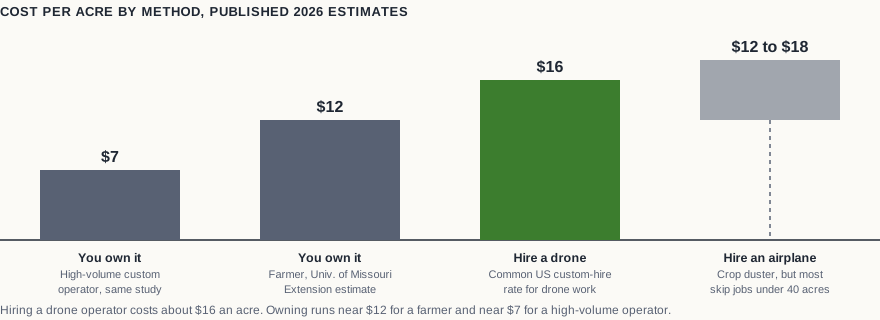
| Scenario | Typical cost per acre* | Notes |
|---|---|---|
| You own the drone (farmer) | ~$12 per acre | University of Missouri Extension estimate, includes the drone, batteries, and your time |
| You own it (high-volume custom operator) | ~$7 per acre | Same study, spread over far more acres |
| Hiring a custom drone operator | ~$16 per acre | Common custom-hire rate for drone application |
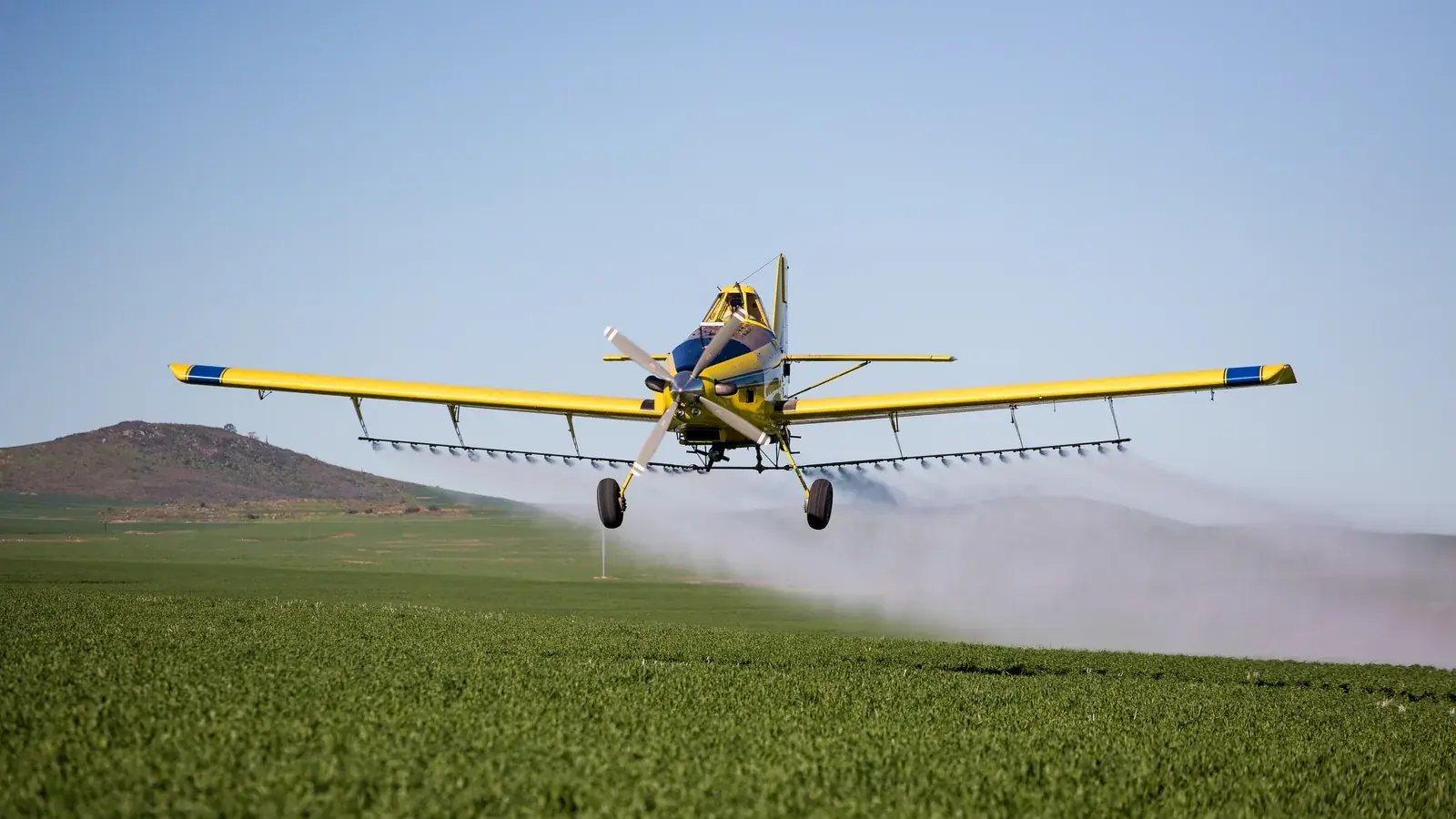
| Hiring an airplane (crop duster) | ~$12 to $18 per acre | Similar per acre, but with a catch, see below |
The Break-Even Nobody Advertises
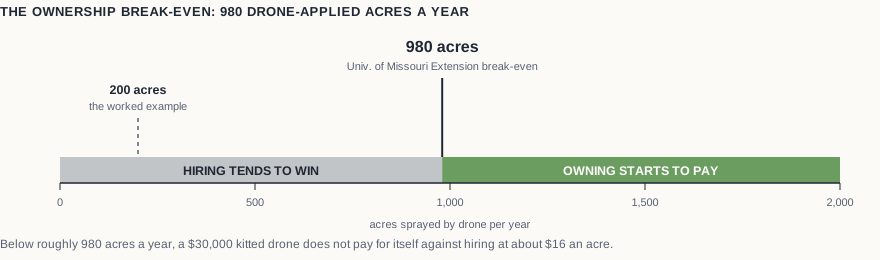
University of Missouri Extension put the ownership break-even at roughly 980 acres of drone application per year. Below that, hiring tends to win. Above it, owning starts to pay. That single number reframes the whole buying decision.
Think about what that means. If you spray 200 acres a year, buying a $30,000 kitted drone to save a few dollars an acre does not add up, before you even count the licensing time and the learning curve. If you spray a couple thousand acres, or you spray other people's fields for money, the drone earns its keep. The break-even moves with your drone cost, your chemical, and your labor, but the shape holds: this is a high-acreage tool.
Where Drones Genuinely Beat the Alternatives
Cost per acre is not the only axis. Drones win on some jobs regardless of the raw number:
- Small and odd-shaped fields. Most airplane operators will not fly a job under 40 acres, and some set an 80-acre floor. Drones happily do the 5-acre patch, the corner, the fence line.
- Wet ground. A drone sprays a field too muddy for a ground rig, with no wheel tracks and no compaction.
- Terrain and obstacles. Hills, terraces, tree lines, and awkward corners are routine for a drone and a problem for other methods.
- Drift control. Flying 6 to 10 feet above the canopy in a 3 to 10 mph wind window gives more control over drift than a plane running higher and faster.
- On-demand timing. You spray when the crop and weather say so, not when the applicator can fit you in.
Where Hiring Still Wins
- You are under the acreage threshold. Below roughly 1,000 drone-applied acres a year, the math usually favors hiring.
- You do not want the licensing. A custom applicator already holds the Part 137 certificate, the exemptions, and the pesticide license. Hiring them means their paperwork, not yours. See the licensing reality check.
- You do not want to be a mechanic and a pilot. Ownership is real work: charging, mixing, maintenance, and troubleshooting in the middle of spray season.
Not Sure the Numbers Work for Your Acreage?
Tell us your situation and we will give you an honest read, no sales pitch. Send a short note with your acreage, your crops, how often you spray, and whether you are leaning toward buying or hiring. Email mrkt(at)maxromulus.com. A real person replies. This is free guidance, not a quote and not a lead form. If you do decide to buy, the buttons on our reviews go straight to the retailer, and that is how the site earns.
The Bottom Line
Owning a spray drone is a high-acreage play. If you are spraying well into four figures of acres a year, or you plan to spray for others, ownership can beat hiring and a DJI Agras T50 or T25 starts to make sense. If you spray a few hundred acres, hire a custom drone operator and skip the capital, the batteries, and the FAA paperwork. The drone is a tool, not a trophy. Buy it when the acres justify it.